
What to eat in Sarajevo
Ćevapi, pies sold by weight, a cooked lunch from an aščinica and Bosnian coffee with something sweet.
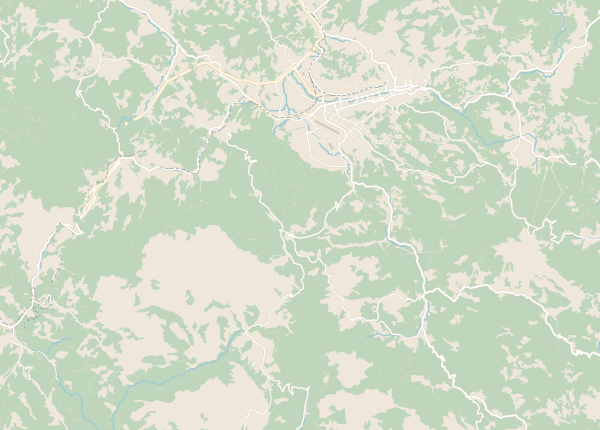
Start with ćevapi, small grilled beef sausages served in somun bread with chopped onion. Then try burek and other pies sold by weight, a cooked dish such as dolma or Bosanski lonac from an aščinica, and Bosnian coffee with baklava or tufahija. The traditional places are within a few minutes’ walk of each other in BaščaršijaSarajevo’s Ottoman-era bazaar and old town, with craft shops, cafés and restaurants around the Sebilj fountain. Tram line 3 from Ilidža runs here.12 km · tram line 3 · about 17 min by car.
From River Walk in Ilidža
Baščaršija12 km
TramLine 3 to BaščaršijaIlidža tram stopThe last stop of tram line 3, which runs between Ilidža and Baščaršija in Sarajevo’s old town.600 m · about 7 min on foot, about 7 min on foot from River Walk
Car or taxiabout 17 min
In this guide
Ćevapi
Ćevapi are finger-length grilled sausages of minced beef, served five or ten to a portion inside warm somun flatbread with raw onion; kajmak, a thick cream, is an optional extra. A ćevabdžinica serves little else. Ćevabdžinica Željo, on Kundurdžiluk in Baščaršija, is one of the best-known.
Burek and other pies
In Sarajevo, burek means a pie filled with meat. The same rolled pastry filled with cheese is sirnica, with spinach zeljanica and with potato krompiruša. Pies are sold by weight and eaten with plain yoghurt. Buregdžinica Bosna on Bravadžiluk is a classic address, and Buregdžinica Sač bakes its pies under a sač, a metal lid covered with hot coals.
Cooked dishes
An aščinica is a canteen-style restaurant with trays of cooked dishes: dolma (stuffed vegetables), sarma, Bosanski lonac (a slow-cooked stew of meat and vegetables), soups and stuffed onions. You point at what you want. Aščinica ASDŽ in Baščaršija is a good place to try several small portions.

Bosnian coffee and sweets
Bosnian coffee arrives in a small copper pot, a džezva, with a cup, a sugar cube and often a piece of rahat lokum. Pour slowly and leave the grounds. Čajdžinica Džirlo in Kovači serves coffee, many teas and salep. For sweets, try baklava at Baklava Dućan or tufahija, a poached apple filled with walnuts.
Eating in Ilidža
You do not have to go into town for every meal. On the ground floor of River Walk, Del Gusto serves pizza, pasta, grilled meat and fish, and La Soul serves burgers; both do breakfast. Restoran Brajlović, beside the Željeznica, is known for grilled and roast meat, and Fijaker in Ilidža serves traditional Bosnian dishes.
Cooking in the apartment
Every River Walk apartment has its own kitchen. There is a small market on the ground floor, and the hypermarket at Bingo City Center, about 200 m away, is the place for a full shop.
Practical notes
Carry cash in KM, as smaller grills and bakeries may not take cards. Vegetarians do well with sirnica, zeljanica and krompiruša, salads and grilled vegetables. Ask the restaurant directly about ingredients, allergies and halal requirements before you order.
Questions
What food is Sarajevo known for?
Ćevapi in somun bread, burek and other pies, cooked dishes such as dolma and Bosanski lonac, Bosnian coffee, baklava and tufahija.
How many ćevapi are in a portion?
Usually five or ten, served in somun bread with chopped onion.
What is the difference between burek and pita?
In Sarajevo, burek is the pie filled with meat. Pies with cheese, spinach or potato are called sirnica, zeljanica and krompiruša.
What can vegetarians eat in Sarajevo?
Cheese, spinach and potato pies, salads, grilled vegetables and meat-free cooked dishes at an aščinica. Ask which dishes are cooked without meat.
Do restaurants in Sarajevo take cards?
Larger restaurants usually do, but smaller grills and bakeries may take cash only, so carry some KM.
Sources and visitor information
More ideas for your days


